cast#
Who is in the panel: each actor id, chosen by the author, and the puppet that plays them or the figure a picture draws. Their order means nothing.
Where |
A |
Type |
a mapping |
Default |
none |
Since |
0.1 |
Diagnostics |
|
A mapping of actor id to who plays them. The ids are the author’s – alice, guard_left,
ALICE – and every other block names the cast by them: the staging, the script, a sound’s source.
Ids are case-sensitive, and their order means nothing: staging and
at decide who stands where.
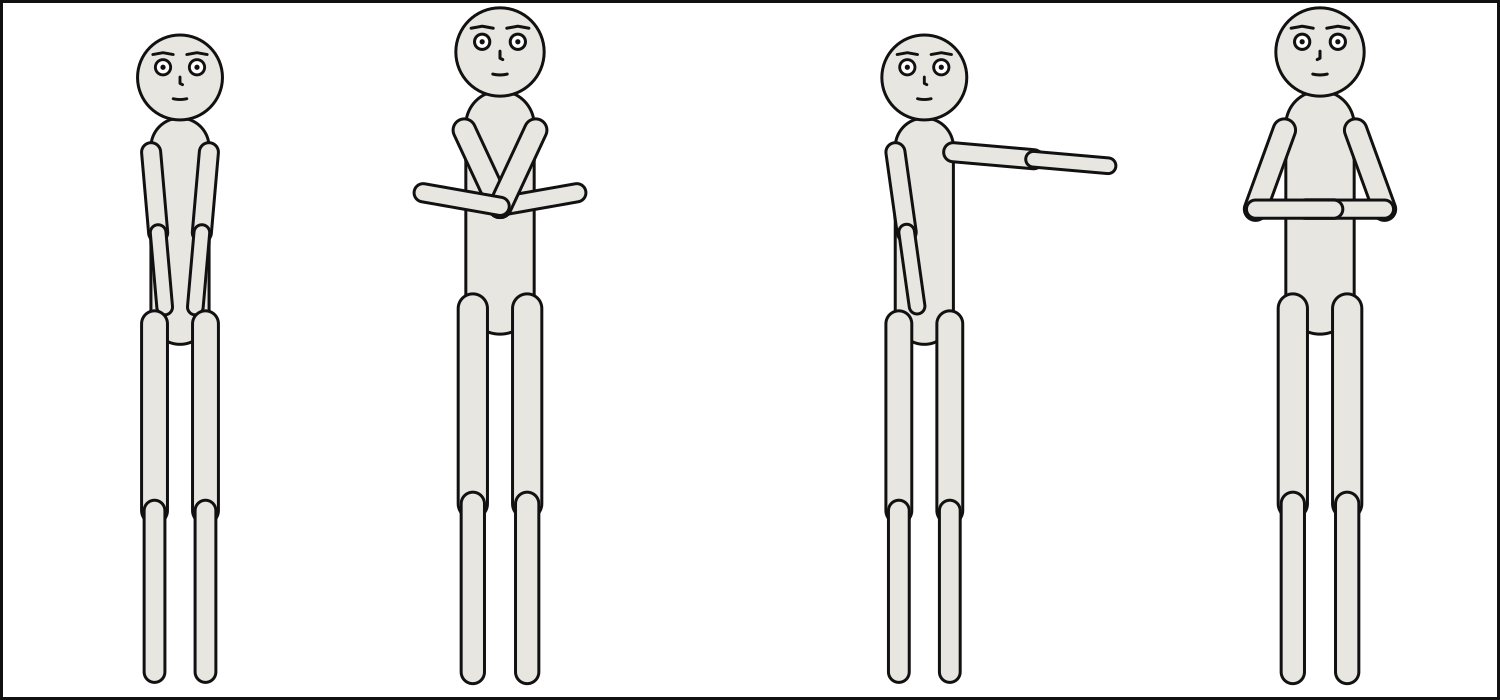
A cast member is one of two things, never both, and a cast is all of one:
a puppet, which Scenet poses and draws:
reference:names it, andpose,expression,marks,atandfacingsay how it stands;a figure a supplied picture already draws:
figure:names it, and nothing else applies, since the artist framed, posed and staged it.
A cast that mixes the two is conflicting-cast: staging and the camera would place a puppet over
a painted face they cannot see. In a scene, cast: {bob: null} leaves a member out of a panel
that would inherit them, and every relation that names them goes too; see
null. The split between id and reference is what lets one
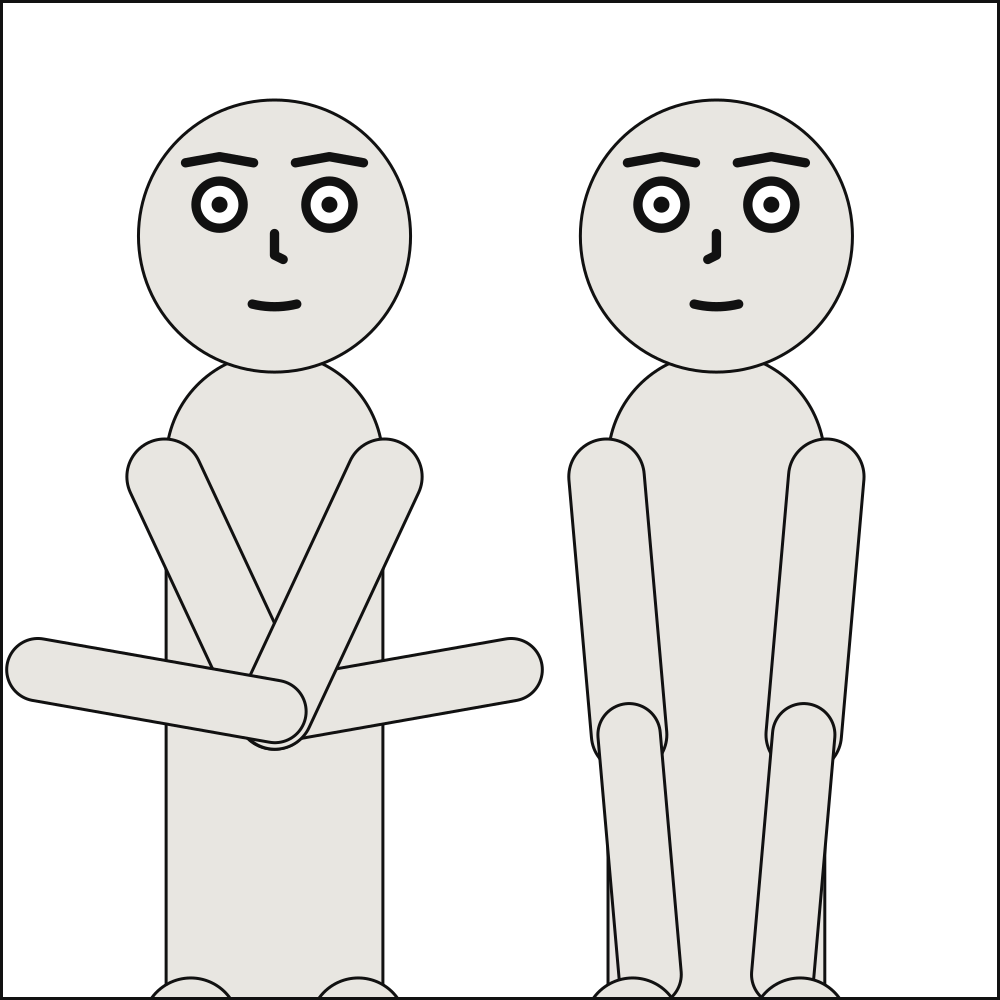
puppet play two people:
cast:
  guard_left: {reference: bob, pose: arms_crossed, at: left_third}
  guard_right: {reference: bob, at: right_third, facing: left}
cast.<id>.reference#
The puppet to draw: a shipped puppet’s name, or the path of a .puppet.yaml file, relative to the document. Written instead of figure.
Where |
A |
Type |
text |
Default |
none |
Since |
0.1 |
Diagnostics |
|
In the gallery |
alice and bob ship with Scenet. A character of your own is a *.puppet.yaml file – a
skeleton, the parts drawn on it, a face, and the poses and expressions it can take – and a
member names it by its path. Every key of such a file is on the puppet files page.
A
referencethat ends in.puppet.yamlis a file; any other names a shipped puppet. A path is never a name, so no file shadowsaliceorbob.The path is read as a font’s is: relative to the folder the document is in, wherever
scenetwas run from, with/between folders, never absolute – so a document and its puppets travel together, and../puppets/reads a folder of characters several documents share. Text compiled with no file behind it names a puppet only when its caller says which folder it belongs to, or hands the file over with it.Only what the cast names is read, once however many members it draws.
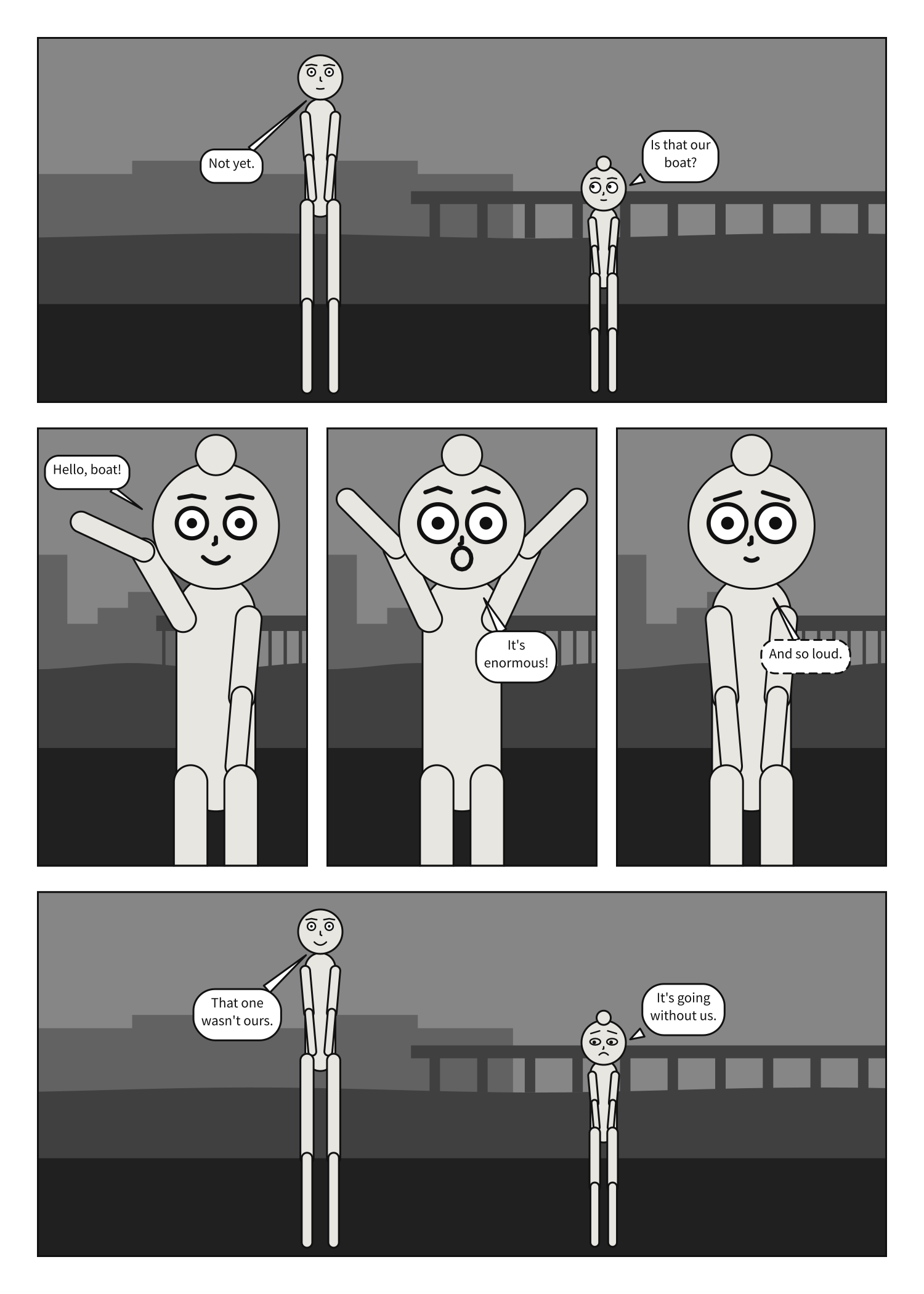
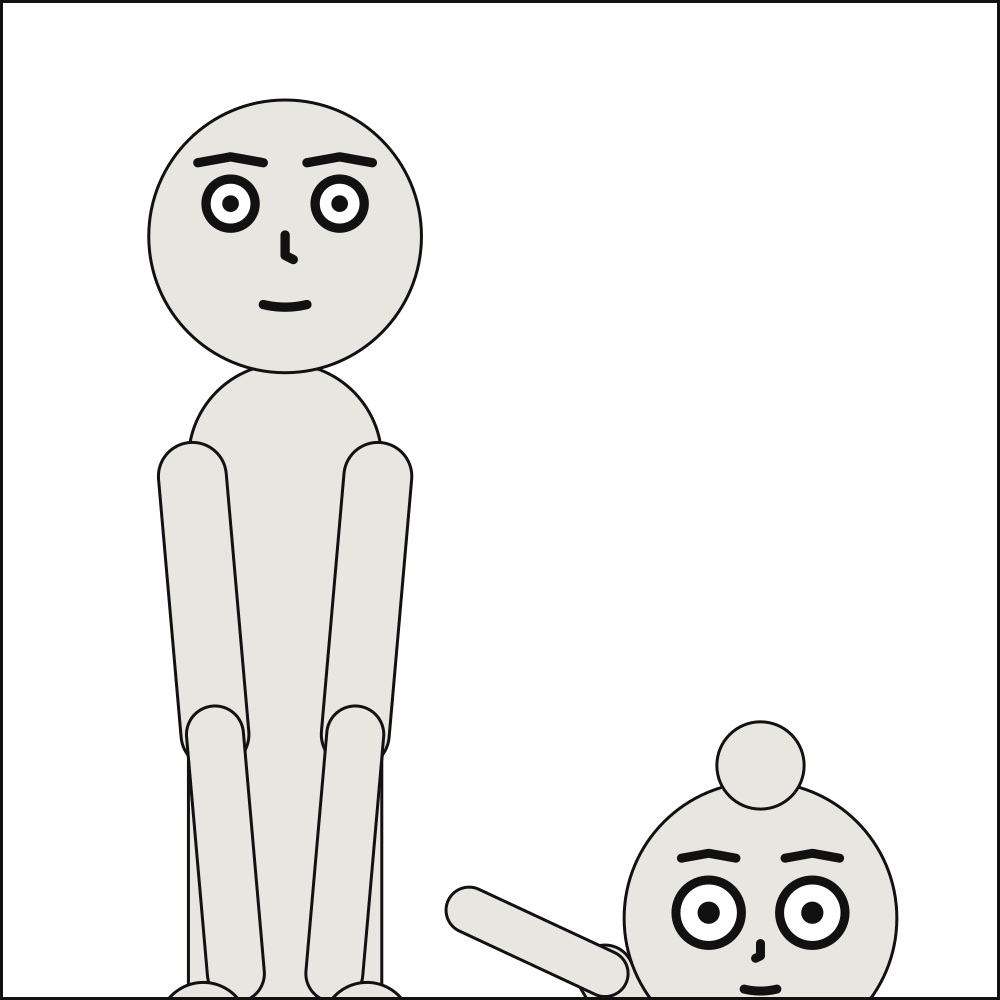
A puppet of another height shares the ground only when staging says so, with
ground_shared_with: framed alone, each figure’s head is under the top of the panel.Panel Core records the reference as written, for the actor and for the camera composed on it. Nothing else of the file reaches the output but the figure drawn.
A name the library lacks is unknown-puppet, naming the ones it has. A file that is absolute,
missing or not a puppet is puppet-file: in the puppet file, at the key that is wrong, when the
document is checked as a file, and on the line naming it otherwise. In the
playground, Puppet… adds a file to the
document’s puppets/ folder for as long as the tab is open; over MCP it is sent in files.
cast:
  alice: {reference: alice, at: left_third}
  pip: {reference: puppets/pip.puppet.yaml, pose: waving, at: right_third, facing: left}
staging: [alice ground_shared_with pip]
See also: Puppet files, Add your own character.
cast.<id>.pose#
A pose the puppet declares, by name.
Where |
A |
Type |
text |
Default |
|
Since |
0.1 |
Diagnostics |
|
In the gallery |
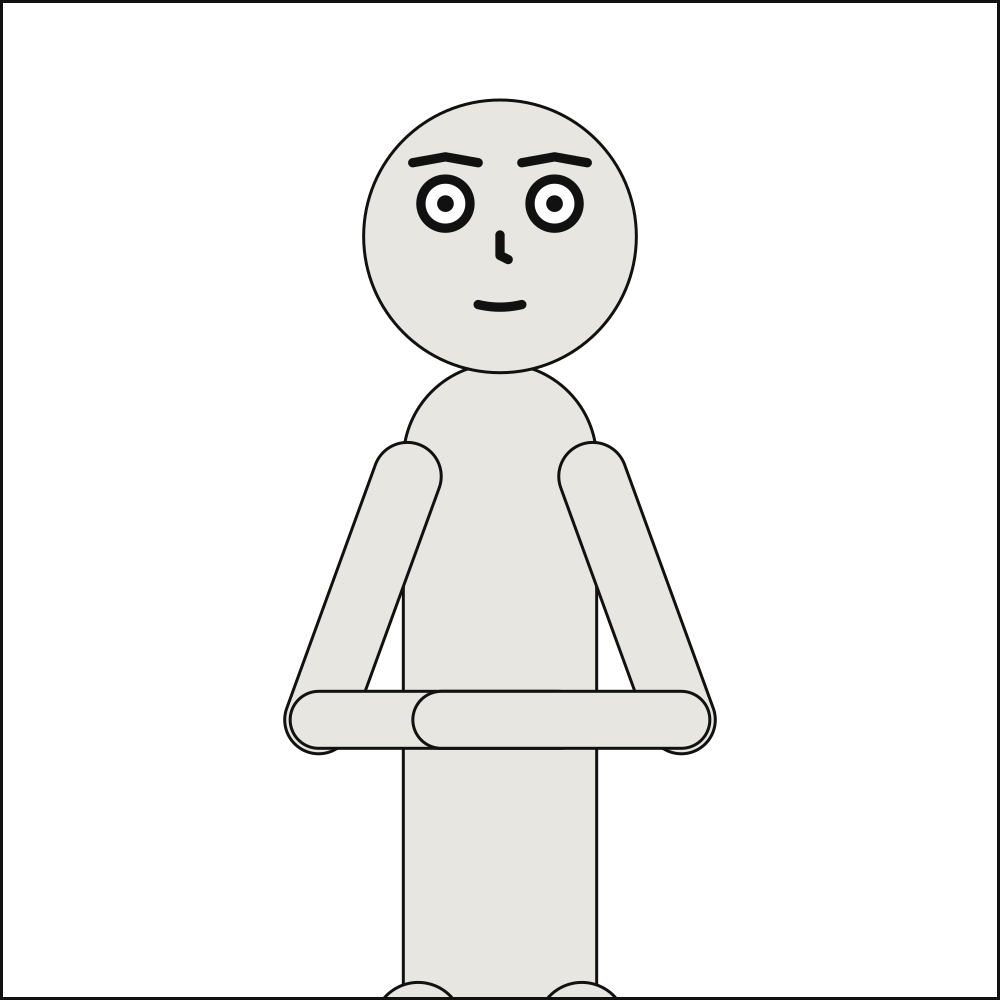
A pose is a named set of joint angles the puppet declares. alice and bob declare
standing_neutral, arms_crossed, pointing and hands_on_hips; a puppet file declares its
own, and standing_neutral is required of every puppet, since it is what a member gets unasked.
A name the puppet does not declare is unknown-pose, listing the ones it does: a misspelt pose
is a perfectly good string to the grammar, so only the library can tell pointing from
smirking.
See also: cast.<id>.expression, poses.
cast.<id>.expression#
An expression the puppet declares, by name.
Where |
A |
Type |
text |
Default |
|
Since |
0.5 |
Diagnostics |
|
In the gallery |
expression is selected by name exactly as pose is, because a face is the same kind of thing as
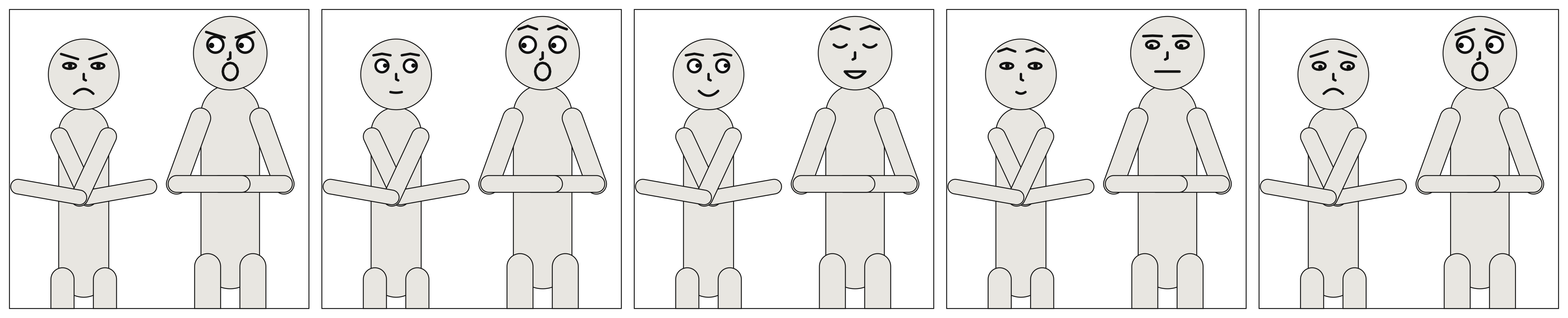
a body: a small closed set of arrangements a character can be in. The shipped puppets declare ten
– neutral, happy, laughing, coy, bored, scared, sad, angry, shouting,
surprise. They are a drawing convention, the small closed set of faces comics actually draw,
and not a claim about what a person feeling anger looks like. A name the puppet does not declare
is unknown-expression.
A character’s pupils follow whoever they are looking_at. Nothing else about the face depends on
the rest of the panel, and nothing about the face changes the layout: to the solver a face is one
disc that balloons may not cover. What a face is made of is in the
asset contract.
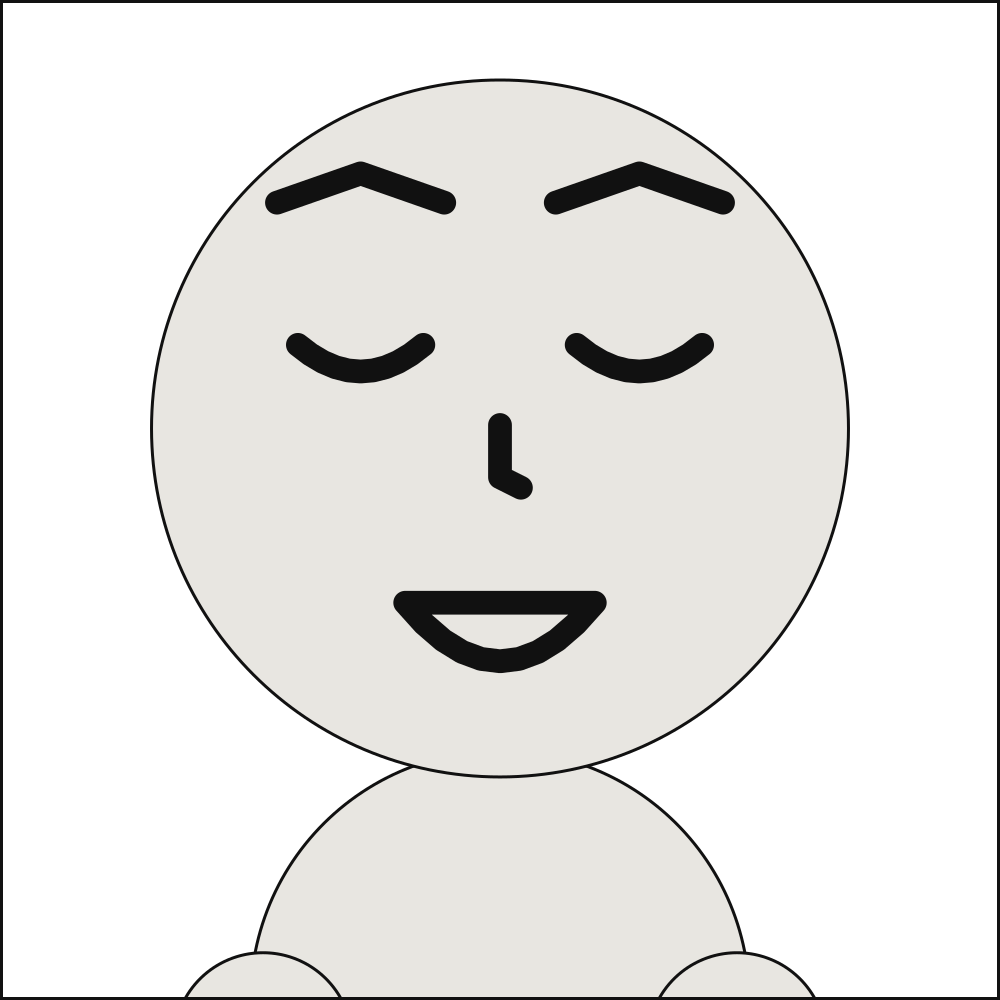
camera: {shot: close_up}
cast: {alice: {reference: alice, expression: laughing}}
See also: expressions, cast.<id>.marks.
cast.<id>.marks#
Emanata drawn around the character – plewds, squeans, grawlixes, briffits – in any order, each once. They compose with the expression.
Where |
A |
Type |
a list of names |
Values |
|
Default |
none |
Since |
0.8 |
Diagnostics |
|
In the gallery |
Emanata are what a comic draws around a character rather than on them. The vocabulary is Mort Walker’s, from The Lexicon of Comicana, and it is closed:

Mark |
What is drawn |
What it says |
|---|---|---|
|
Droplets flying off the head, mostly off the back |
sweating: effort, heat, nerves |
|
Little starbursts and circles in an arc over the head |
dizzy, drunk, or sick |
|
A spiral, a star, a bolt and a |
swearing |
|
Puffs of dust at the feet, behind the figure |
gone, fast |
They are a list, not a second expression:, because they compose: a character can be angry
and sweating. Order does not matter, and a mark listed twice is an error. They need nothing from
the puppet – every mark is placed from the face circle, the facing and the feet – so every
character can have every mark. In a scene, marks: [] under over: clears the ones a panel
inherited, because lists replace rather than merge.
Emanata are drawn outside the head, in the space balloons are placed in, so unlike a face they matter to the layout – but only softly:
They never move anybody. Staging, the camera and every figure are exactly where they would be without them.
A balloon prefers not to cover them. Each mark has a zone the solver reads as a cost, weighted above covering a body. A crowded panel still compiles: a balloon covers a mark before it fails.
The camera makes no room for them. It frames by body landmarks, so a tight shot can crop marks over the head, and a shot that cuts at the waist leaves briffits below the frame.
scenet buildreports any mark that runs off the panel.
At a wide framing a plewd is a dot: below a head size, each mark collapses to a dot where it
would have been drawn, and a character too small to have a face has no marks at all. An oath
written in a balloon – "@#$%!" – is dialogue, and already works; grawlixes is the other
convention, the symbols over a head.
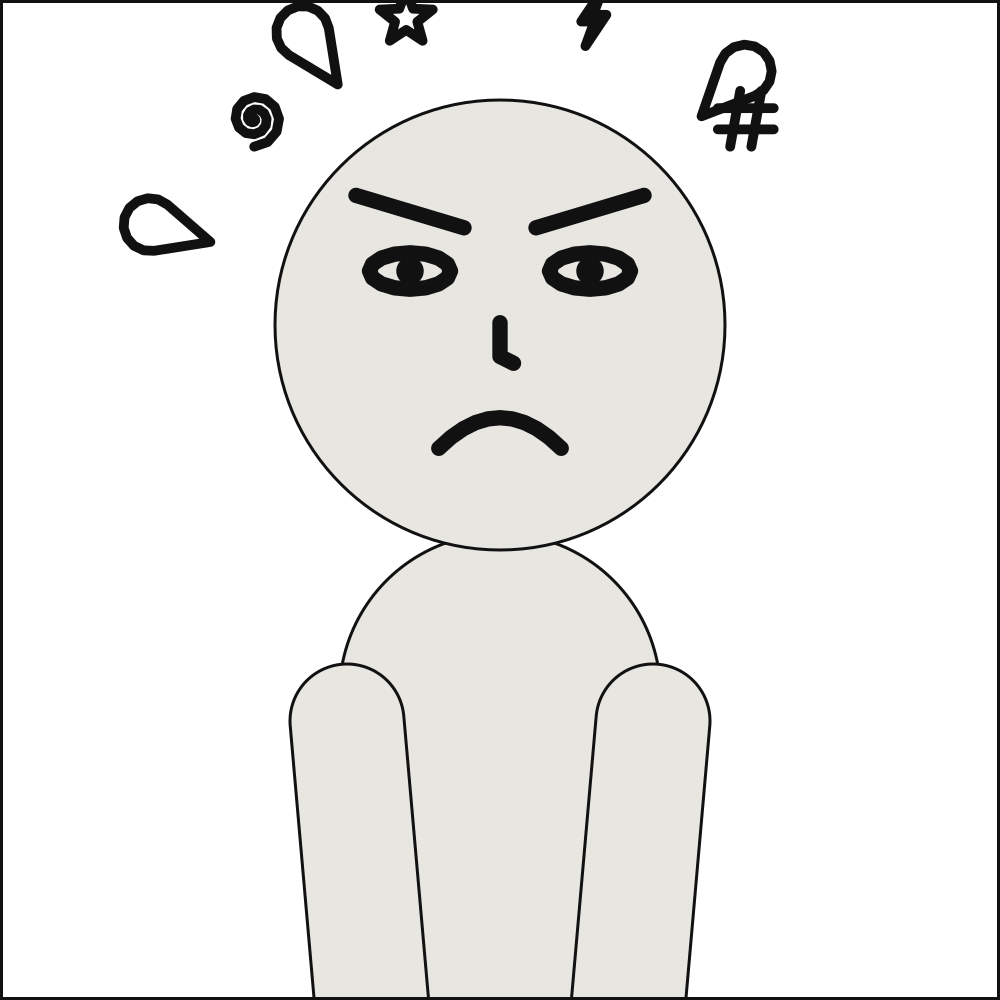
camera: {shot: medium_close_up}
cast: {alice: {reference: alice, expression: angry, marks: [grawlixes, plewds]}}
See also: Emanata in the asset contract.
cast.<id>.at#
Where along the panel’s width the figure would like to stand. A preference: non-overlap and left_of override it.
Where |
A |
Type |
a name |
Values |
|
Default |
|
Since |
0.1 |
Diagnostics |
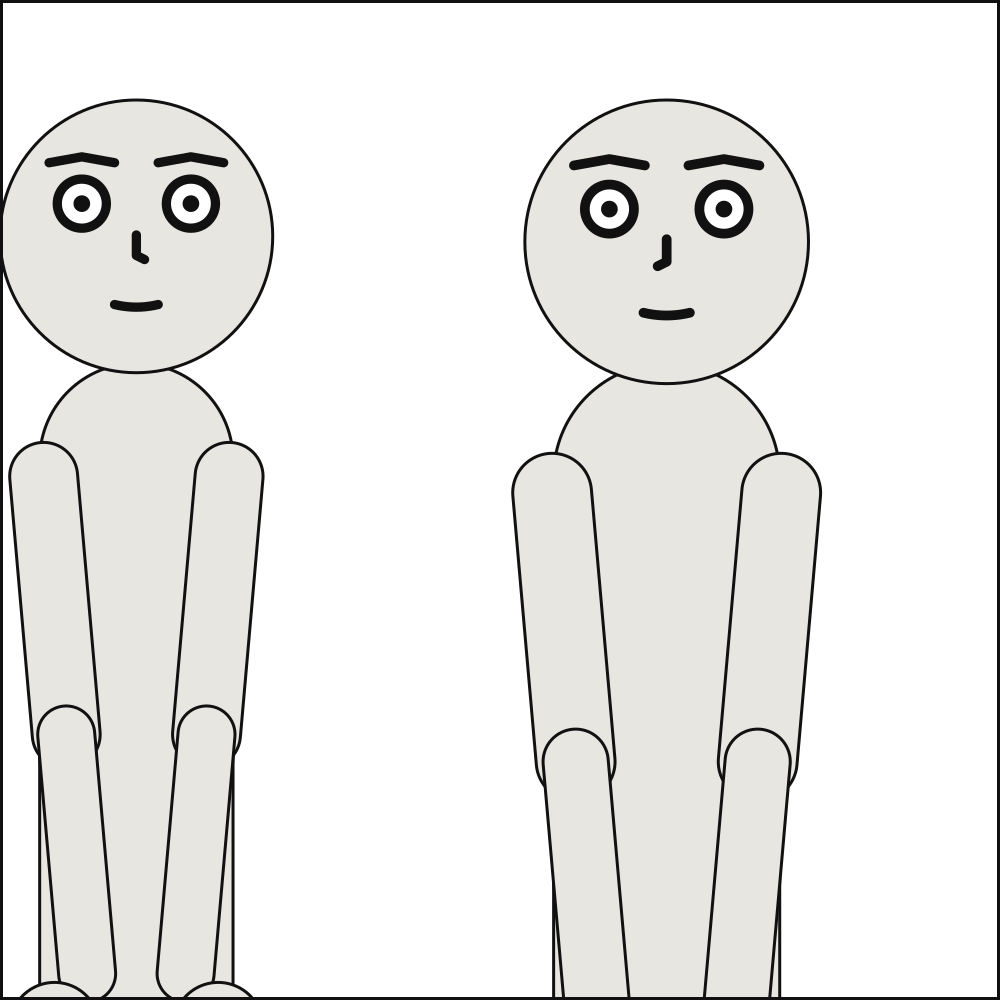
Where along the panel’s width the figure would like to stand, horizontally only: figures stand on
the ground, and their height comes from the camera. It is a weak preference, not a command.
Non-overlap and declared ordering are required and override it without complaint: two actors both
asked to stand at center are pushed apart around it. Where staging gives no order, at decides
it, and two at the same anchor stand in the order of their actor ids; see
Why ordering must be explicit.
cast:
  alice: {reference: alice, at: left_edge}
  bob: {reference: bob, at: right_third, facing: left}
See also: staging, When constraints conflict.
cast.<id>.facing#
Which way the figure is turned, left or right, gaze and all.
Where |
A |
Type |
a name |
Values |
|
Default |
|
Since |
0.1 |
Diagnostics |
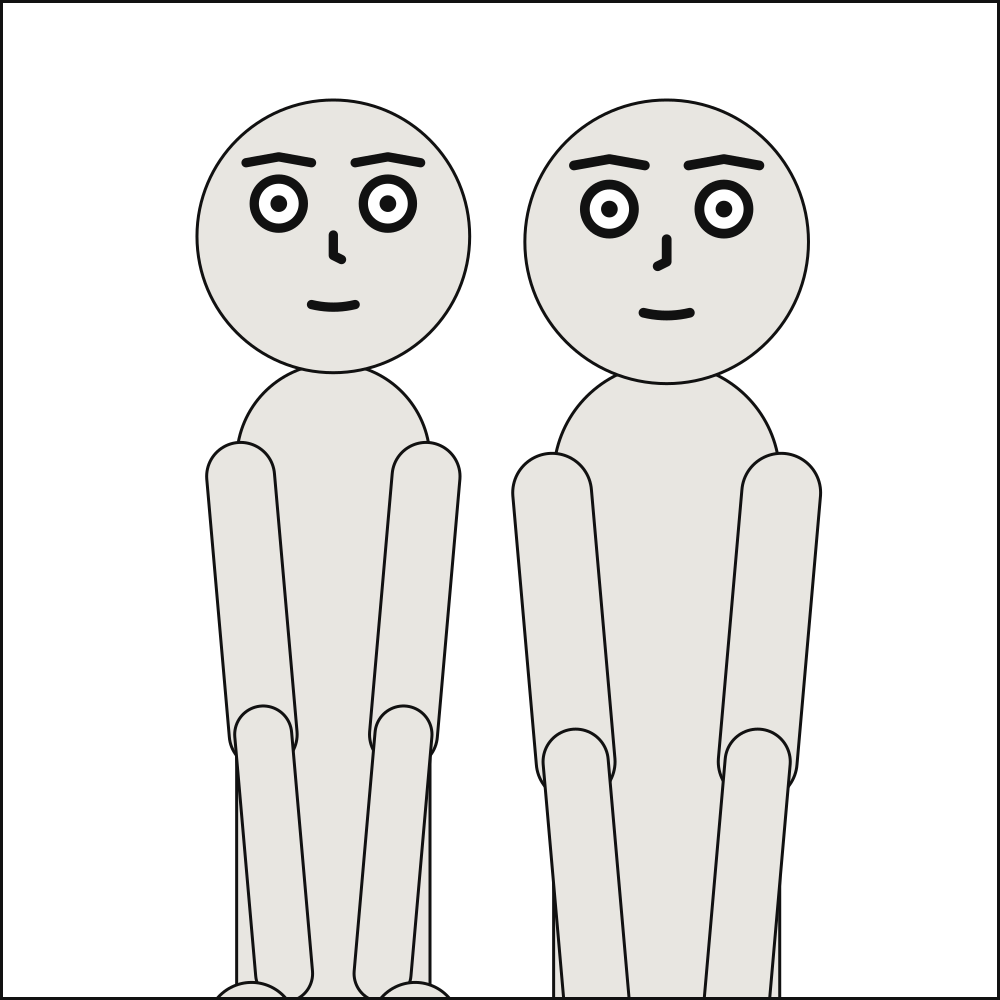
Facing mirrors the whole puppet, its gaze included. It defaults to right, so a cast written
left to right faces into the panel from the left; give the one on the right facing: left. A
looking_at relation turns its subject toward the object whatever facing says.
cast:
  alice: {reference: alice, at: left_third}
  bob: {reference: bob, at: right_third, facing: left}
See also: staging[].predicate.
cast.<id>.figure#
A figure the panel’s picture draws, by the name its artwork contract gives it. Written instead of reference, and with none of the keys that pose or place a puppet.
Where |
A |
Type |
text |
Default |
none |
Since |
0.12 |
Diagnostics |
|
In the gallery |
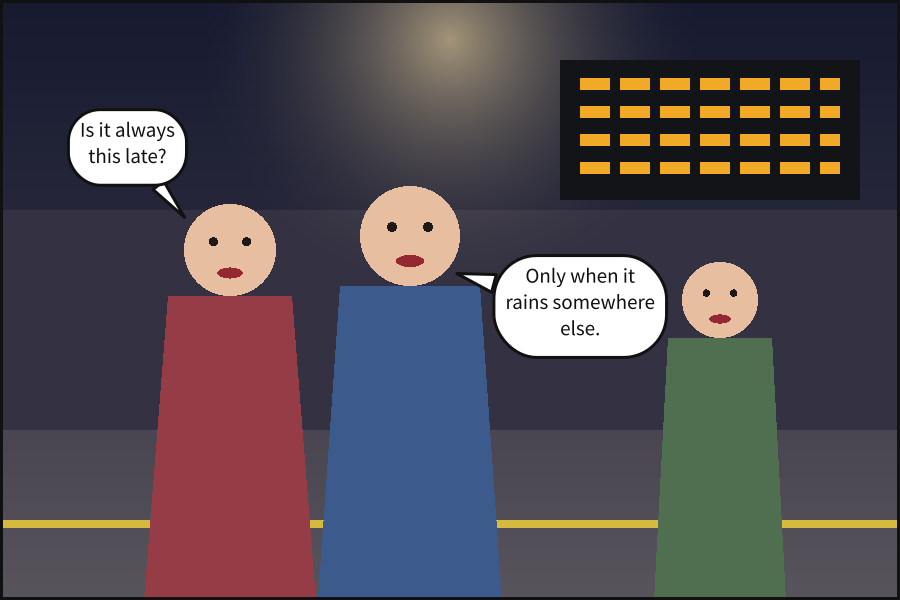
A picture can draw its own people. Cast them with figure: in place of reference:, and Scenet
letters them as it letters puppets – balloons in reading order, never over a face, tails to the
mouth – while drawing nothing of them: the picture already has.
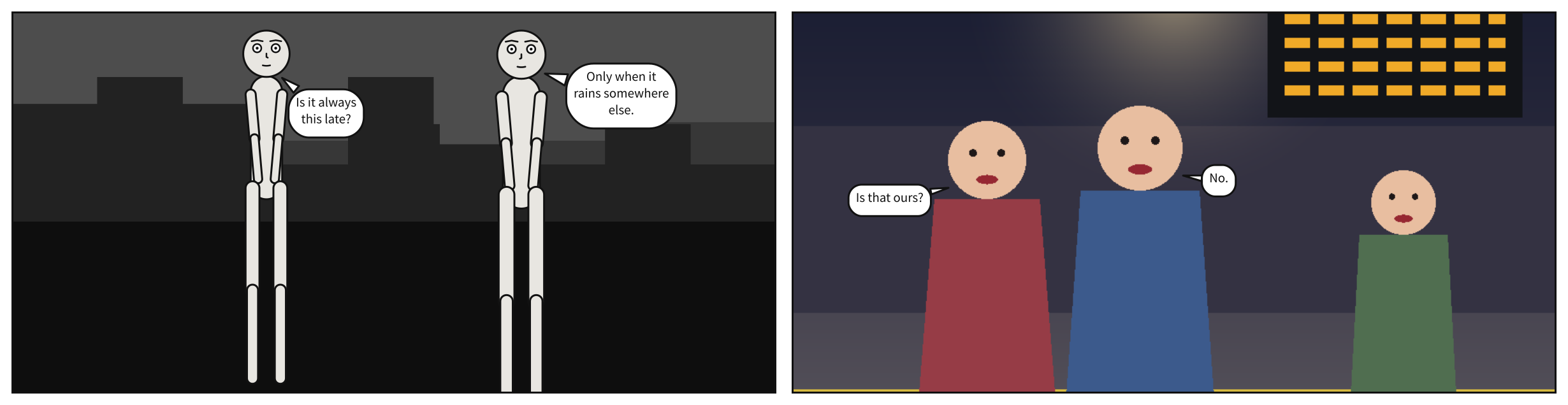
Where each face, mouth and body is, the panel does not say – it never writes a coordinate. The
picture’s artwork contract does: a file beside the picture, named after it,
art/p01-street.art.yaml, measured once in the picture’s own pixels and committed with it.
figure: names a figure it declares. The contract is read only for a panel whose cast names a
figure, and its geometry goes through the picture’s fit, so a face is excluded exactly where the
picture draws it, under cover and contain alike.
Everybody the contract declares is in the picture. A face nobody cast is as forbidden to
lettering as a speaker’s, and a body as costly to cover. The other way round, a cast figure the
panel’s picture does not draw is simply not in that panel – as a member written (OP) is not –
so a script’s front matter or a scene’s defaults can cast every figure of a chapter, and each panel
holds those its own picture draws. A line spoken by one it does not draw is unknown-figure,
listing who the picture does draw; so is a figure in a panel with no picture.
What does not apply. The artist already framed, posed and staged everybody in the picture:
No camera.
camera:on a panel whose cast is all figures isfigure-staging; a panel that inherits one writescamera: null. A generated description says no shot.No staging. A relation naming a figure is
figure-staging.No posing.
pose,expression,marks,atandfacingare a puppet’s, and refused besidefigure, as isreference(conflicting-cast). A member inherited as a puppet becomes a figure withreference: nullbeside itsfigure.No gaze. A contract declares none, so nothing keeps a balloon out of a figure’s line of sight.
panel: {size: [900, 600]}
setting: {image: art/figures.png}
cast:
  ana: {figure: ana}
  ben: {figure: ben}
script:
  - say: {by: ana, text: "Is it always this late?"}
  - say: {by: ben, text: "Only when it rains somewhere else."}
See also: Artwork contracts, setting.image,
Letter the figures in your art.