staging#
How the cast stand to each other, as sentences: alice left_of bob. One relation each.
Where |
A |
Type |
a list, each text or a mapping |
Default |
none |
Since |
0.1 |
Diagnostics |
|
In the gallery |
Gaze steers balloons, Feet align, heads do not, Depth and overlap |
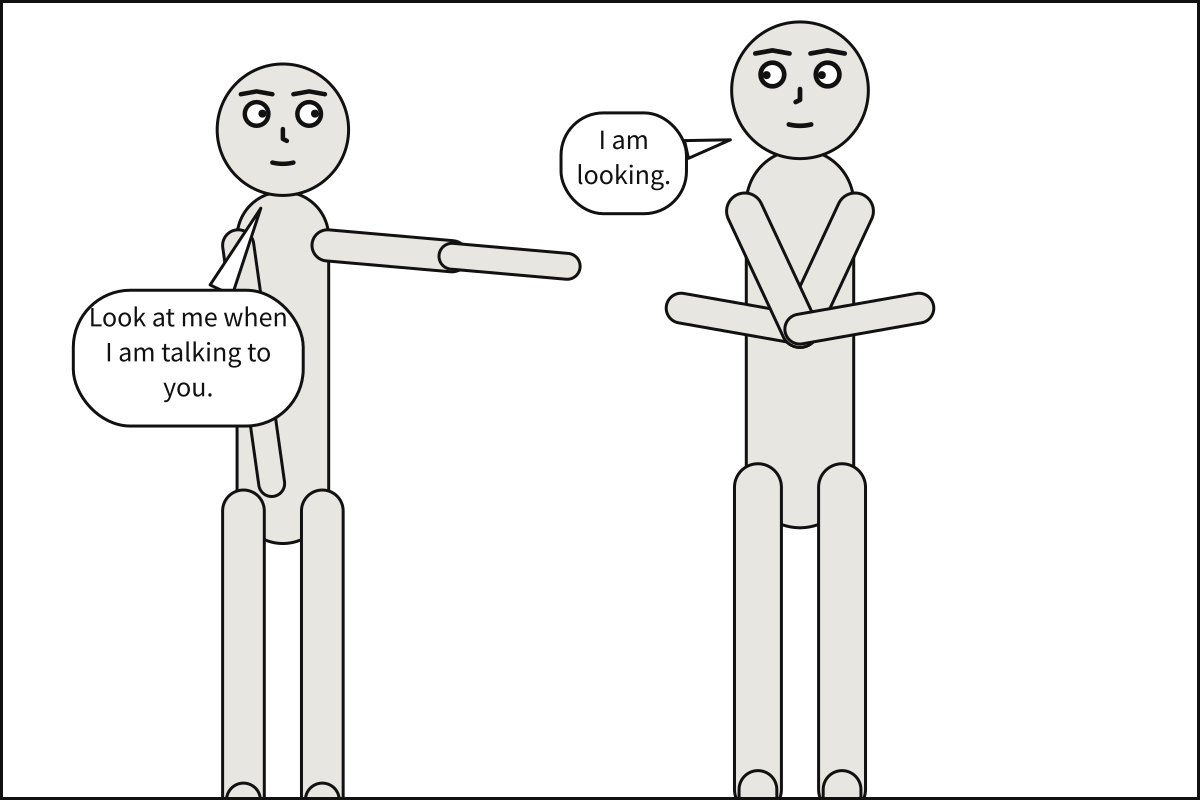
A list of relations between actors, each written as a sentence, subject predicate object: alice left_of bob. This is a scene graph: the cast are nodes, these are the edges.
Predicates come from the spatial subset of the Visual Genome vocabulary rather than being invented
here, so a Scenet scene remains convertible to and from the scene-graph representations used
elsewhere in computer vision.
Predicate |
Effect |
Strength |
|---|---|---|
|
Fixes the order across the panel |
Required |
|
Fixes the draw order, so the nearer figure covers the other |
Required |
|
Turns the subject’s gaze toward the object – who may be somebody heard from off panel |
Required |
|
Stands both on one ground line, so a short figure and a tall one stand on the same floor |
Required |
Every actor a relation names must be in the cast (unknown-actor), except the object of a
looking_at, who may speak from off panel. A relation of an actor to itself means nothing and is
refused (reflexive-relation); left_of relations that loop are ordering-cycle. A
figure a picture draws is never staged: a relation naming one is figure-staging.
In a scene, a panel shares the staging of the panel it is over, or of the scene’s defaults. A
relation naming a member that panel leaves out with null is dropped from it, and a
dropped-relation note says so – except looking_at somebody who now speaks from off panel,
which holds.
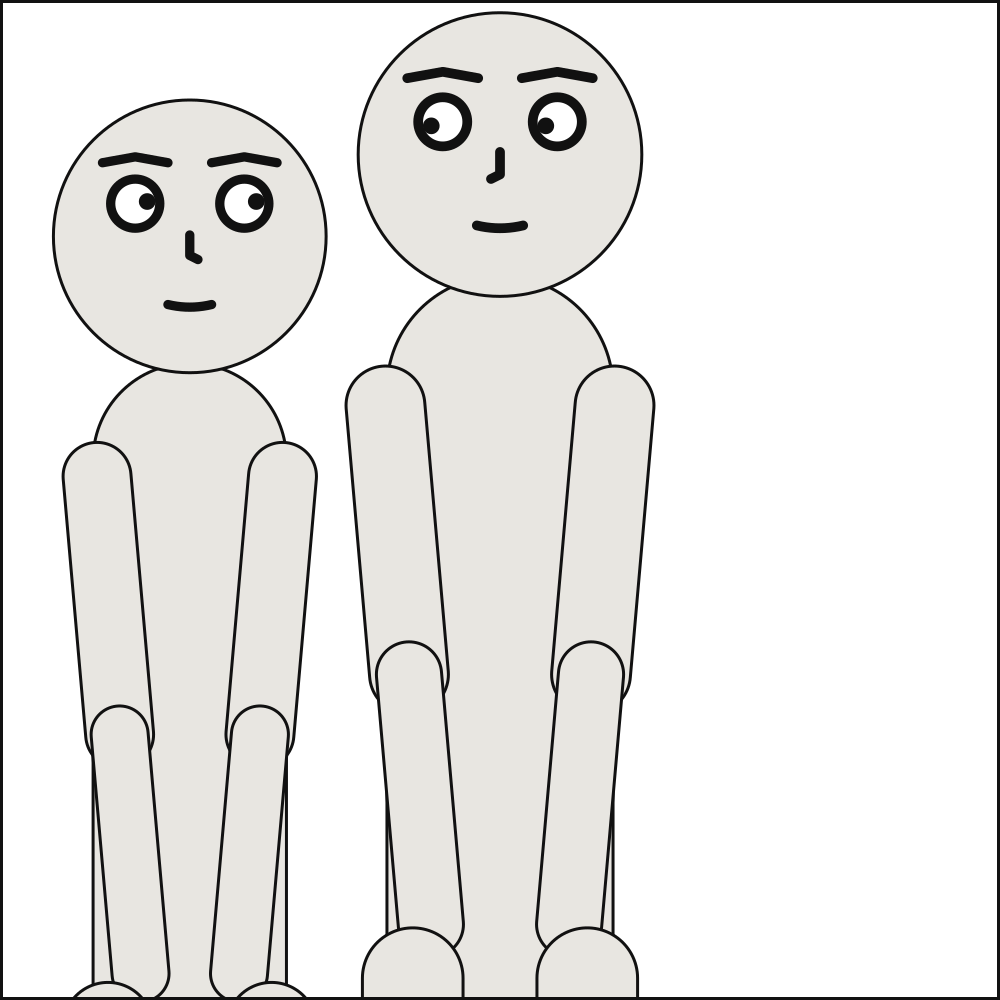
cast:
  alice: {reference: alice}
  bob: {reference: bob, facing: left}
staging:
  - alice left_of bob
  - alice looking_at bob
  - bob looking_at alice
  - alice ground_shared_with bob
See also: cast.<id>.at, the weak wish a relation overrides;
When constraints conflict.
Why ordering must be explicit#
left_of looks redundant next to at: left_third, but it is not. The layout engine is a linear
constraint solver, and “A and B must not overlap” is a disjunction: A is left of B, or B is
left of A. Linear solvers cannot express that choice.
So the language resolves it instead. By the time the solver runs, ordering is already decided, and
what reaches the solver is a linear system it can always solve. A left_of or right_of in
staging decides first. Where staging says nothing, figures stand in the order of their at:
anchors, and two at the same anchor by actor id, in code-point order, so Bob stands left of
alice. That is the same on every run, but seldom what was meant: when the order matters, state it
with left_of. This is the reason there is no unordered beside predicate, and why any future
construct must resolve its own ordering in the frontend.
The mapping form#
A relation is a sentence for people, and three keys for a program: {subject: alice, predicate: left_of, object: bob} is the same relation as alice left_of bob, and the two forms mix in one
list. A program that writes Scenet – a model, an exporter from a scene graph – can write the
mapping without building a sentence and splitting it again. The three keys are the three words of
the sentence.
staging[].subject#
The actor id the relation is about.
Where |
A |
Type |
text |
Default |
none: required |
Since |
0.1 |
Diagnostics |
|
In the gallery |
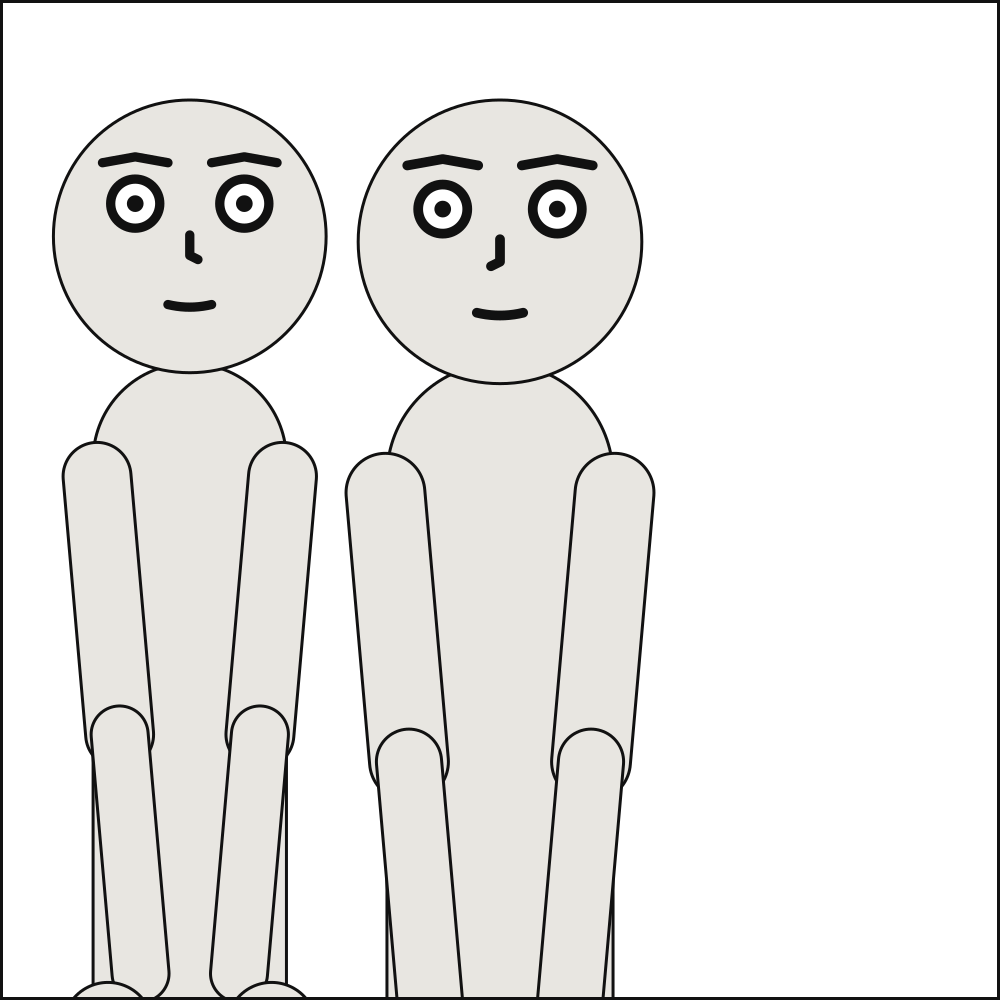
The actor the sentence is about: the one placed left of, in front of, or looking at, the other.
cast:
  alice: {reference: alice}
  bob: {reference: bob, facing: left}
staging:
  - {subject: alice, predicate: left_of, object: bob}
See also: staging[].object.
staging[].predicate#
How the subject stands to the object: left_of, right_of, in_front_of, behind, looking_at or ground_shared_with.
Where |
A |
Type |
a name |
Values |
|
Default |
none: required |
Since |
0.1 |
Diagnostics |
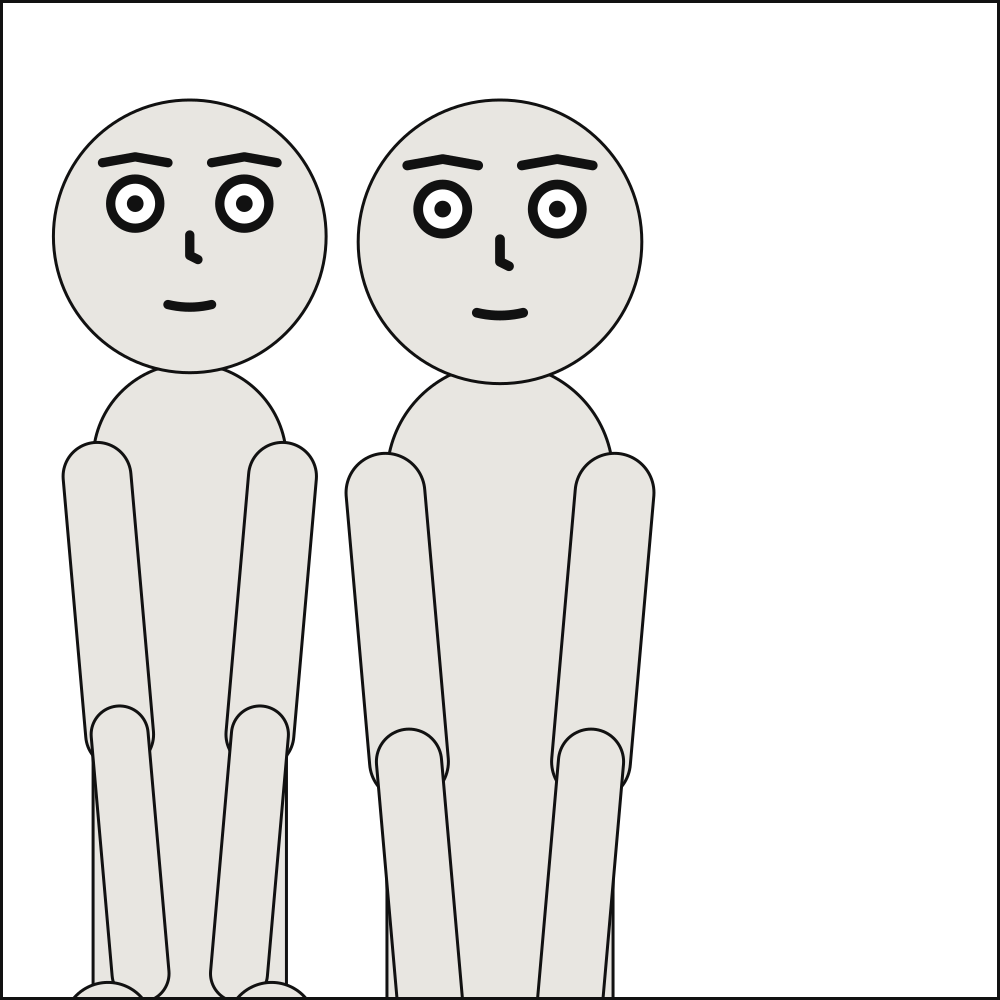
The relation itself, one of the six in the table above. Each is required, and none
is reflexive. right_of is left_of the other way round, and behind is in_front_of the
other way round; write whichever reads as the panel does.
cast:
  alice: {reference: alice}
  bob: {reference: bob}
staging:
  - {subject: bob, predicate: in_front_of, object: alice}
See also: staging[].subject.
staging[].object#
The other actor id. For looking_at, it may be somebody heard from off panel.
Where |
A |
Type |
text |
Default |
none: required |
Since |
0.1 |
Diagnostics |
|
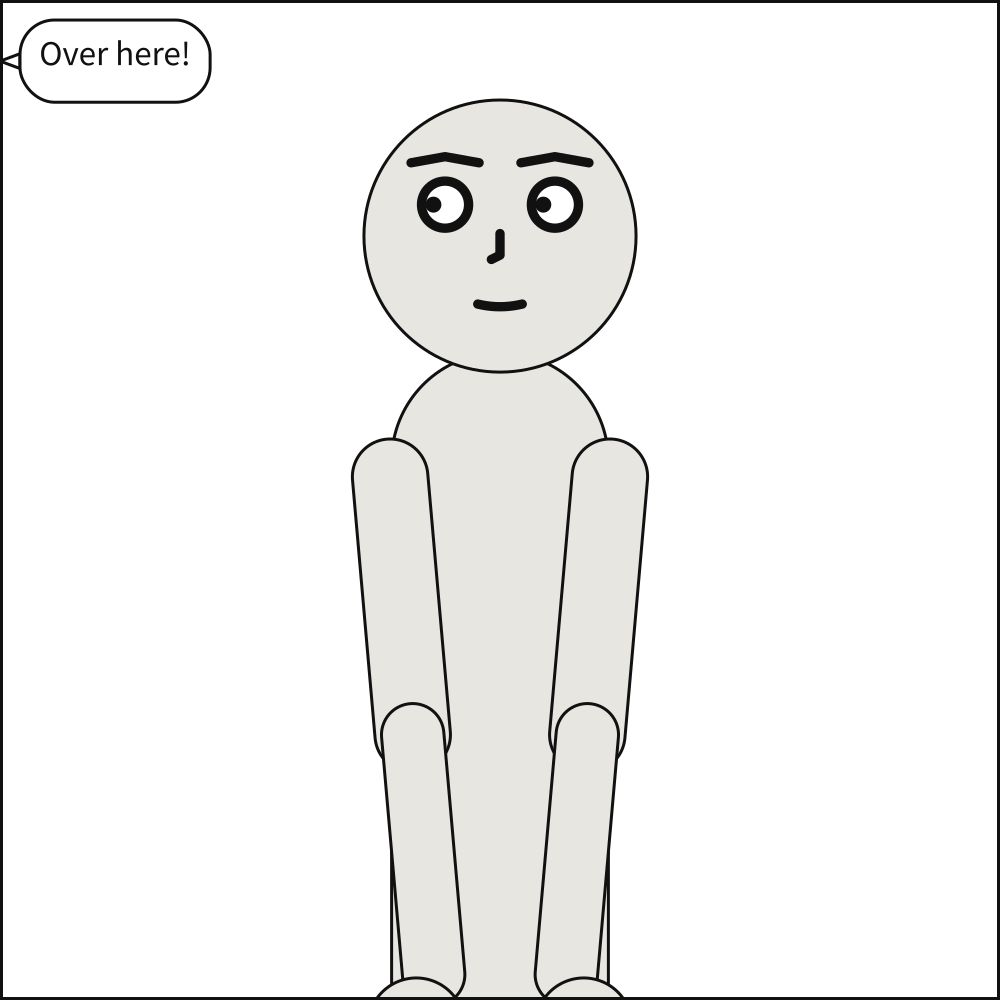
The other actor. For looking_at, the object may be somebody heard from off panel and drawn
nowhere: the subject turns toward the side of the frame the voice comes from.
cast: {bob: {reference: bob, at: center}}
staging:
  - {subject: bob, predicate: looking_at, object: carol}
script:
  - say: {by: carol, text: "Over here!", off_panel: left}
See also: say.off_panel.